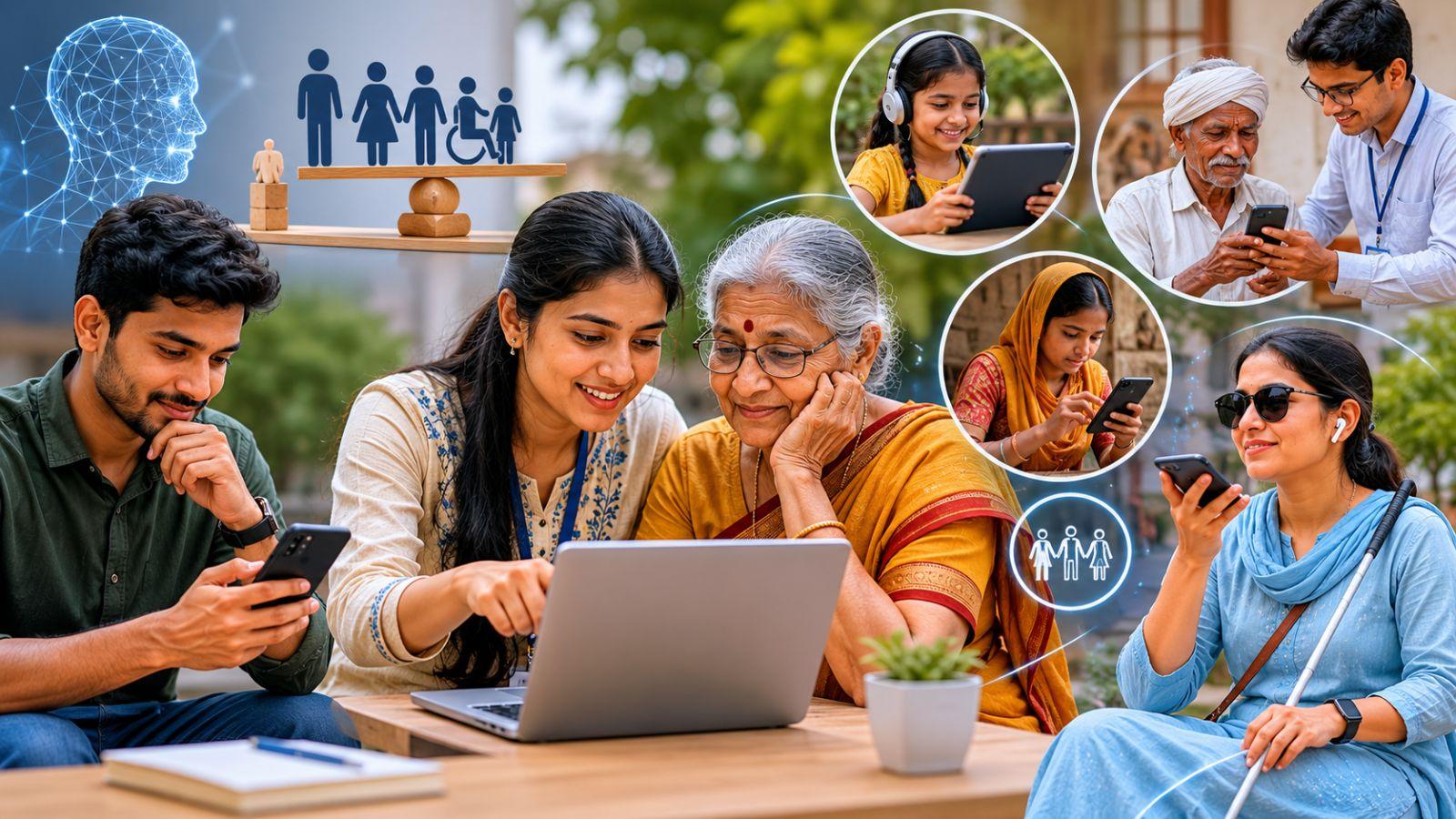
There is a quiet assumption in much discussion of AI and vulnerable populations: that 'vulnerable' names other people. A defined set of groups, distinct from the presumed ordinary user, who require special consideration. This article is about why that assumption is mistaken, and why the mistake weakens the systems built on it.
Two kinds of vulnerability
It helps to distinguish two ways a person can be in a vulnerable relationship with a system. Some vulnerability is relatively stable, connected to a long-term characteristic or circumstance. A child's developmental stage, a permanent disability, a sustained situation of poverty: these produce vulnerability that persists over time, though even here it remains relational, present with some systems and not others.
But a great deal of vulnerability is situational, it arrives, lasts a while, and lifts. It is produced not by a lasting characteristic but by a temporary state or circumstance. And situational vulnerability is far more widespread than the standard framing acknowledges.
How ordinary lives pass through vulnerability
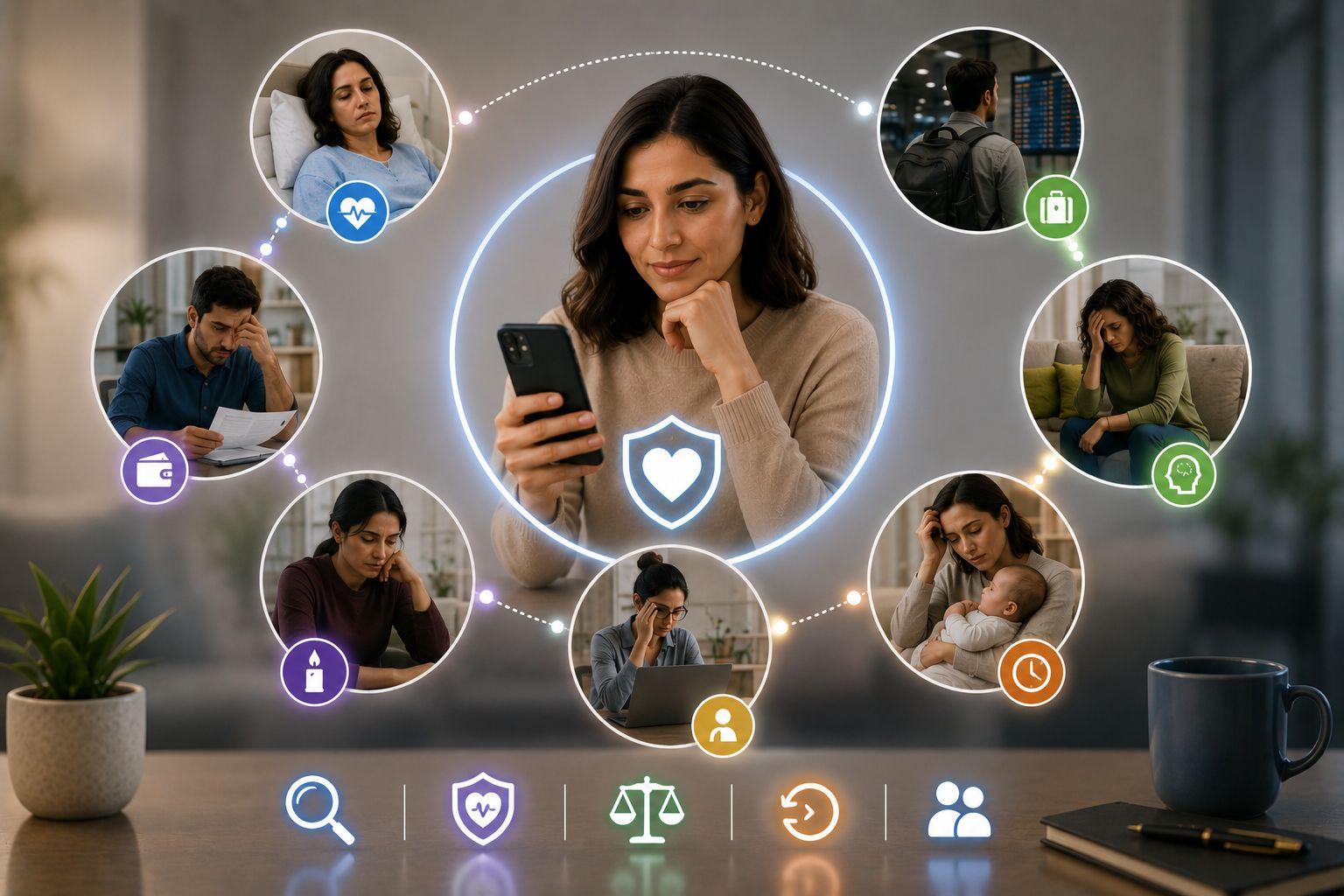
Consider the situations that place an otherwise capable person into a vulnerable relationship with the systems around them. A serious illness, the person's own or that of someone they are caring for, which consumes attention, energy, and clarity. A financial shock that introduces fear and urgency into every transaction. A bereavement. A displacement, whether by disaster, conflict, or circumstance, into an unfamiliar place with unfamiliar systems and perhaps an unfamiliar language. A mental health crisis. The exhaustion of new caregiving. Even, more mildly, a period of being simply overwhelmed, distracted, or under acute time pressure.
In each of these, a person who navigates systems competently on an ordinary day may be unable to on the day the situation lands. They may miss what they would normally catch, agree to what they would normally question, fail to notice a system has erred, or lack the capacity to pursue recourse they would normally manage easily. They have become, temporarily, algorithmically vulnerable, and then, often, they recover, and the vulnerability lifts.
Almost everyone passes through several such periods in a life. Situational vulnerability is not a condition of a separate population. It is a recurring condition of the ordinary human population, visiting people in turn.
Why this matters for how systems are built
If vulnerability were confined to a fixed set of identifiable groups, designing for it would be a matter of accommodation, a set of provisions for those groups, alongside a system built normally for everyone else. The reality of situational vulnerability makes that approach insufficient.
A system that handles vulnerable users through special-case provisions for named groups will not catch the situationally vulnerable, because they do not announce themselves and do not belong to a list. The person navigating a system in the fog of a recent bereavement is not flagged as vulnerable; they look like an ordinary user, and the system treats them as one, at exactly the moment they can least afford it.
The approach that does work is to design for the relationship rather than for a roster of groups. A system built for clarity, for genuine recourse, for robustness, and without a narrow presumed user protects the permanently vulnerable, the situationally vulnerable, and the user having an ordinary day, because all three benefit from a system that is clear, forgiving, and contestable.
The argument this completes
This is also the argument that answers the reader who feels the topic does not concern them, who places themselves comfortably among the ordinary users rather than the vulnerable populations. The honest position is that the distinction is not stable. Over a long enough period, almost everyone is situationally vulnerable to some system at some time, when illness or loss or upheaval arrives, as it eventually does.
Designing AI systems with a genuine duty of care toward vulnerable users is therefore not an act of provision for other people. It is, among other things, the way a society builds systems that will treat each of us decently on the worst days of our own lives. The case for it is not only ethical. It is, in the most ordinary sense, self-interested.